

Landlords in Florida often use security cameras and smart doorbells (like Ring or Nest) to protect their rental properties. However, Florida landlord privacy law imposes limits on surveillance to safeguard tenants’ rights. In this comprehensive guide, we’ll explain Orlando rental smart doorbell rules, Florida security camera law for rental homes, and tenant privacy rights in Florida rentals. You’ll learn where cameras are legal, what the two-party consent law means for audio recording, and best practices to balance security with privacy. We’ll also cover who controls smart doorbell footage in a rental, required disclosures in leases, and the risks of violating these laws. By the end, you’ll know how to protect your investment legally – and how a professional property manager can help keep you compliant.
Can Florida Landlords Install Cameras or Smart Doorbells at Rental Homes?
In Florida, landlords can use exterior security cameras and video doorbells on rental properties – but only in certain areas and under specific conditions. Florida law allows surveillance of public-facing or common areas on the property, as long as it doesn’t infringe on the tenant’s reasonable expectation of privacy[1]. For example, it’s generally acceptable to have a camera overlooking the driveway, front yard, or front door of a single-family rental home[1]. These areas are visible from the street, so tenants can’t expect full privacy there. By contrast, cameras must not capture images or audio from inside the home or private areas like back patios that only the tenant uses[1].
Florida’s Residential Landlord and Tenant Act (Chapter 83) doesn’t explicitly mention surveillance devices, but other state laws and general privacy rights still apply[2]. Tenants have a right to “quiet enjoyment” of the home, which includes freedom from unreasonable or intrusive monitoring in their private living spaces[3]. In essence, once you rent out a home or apartment, the interior becomes the tenant’s private domain – landlords cannot place cameras inside or spy on tenants’ daily activities there[4][5]. Any attempt to secretly record inside (for instance, a hidden nanny-cam in the living room) would be a serious violation of privacy and likely illegal.
Bottom line: Florida landlords may install exterior cameras or smart doorbells for security, but not inside a tenant’s home or other private areas. Always ensure any surveillance is only observing places where no one has a reasonable expectation of privacy.
Florida Law on Tenant Privacy and Surveillance
Florida has specific laws that protect tenants (and anyone) from unauthorized audio or video recording. Understanding these will keep you on the right side of the law:
Two-Party Consent for Audio: Florida is a “two-party consent” state under its wiretapping law (Florida Statute §934.03). This means it’s illegal to record audio of a conversation unless all parties to the conversation consent[6]. If your security camera or doorbell captures sound, you could violate this law if people recorded aren’t aware and haven’t agreed. Recording audio without consent is a felony in Florida[7]. Even in a common area, secretly recording a spoken conversation is not allowed[8]. Practical tip: Use video-only cameras or disable audio recording features unless you have consent in writing.
Expectation of Privacy: Florida’s privacy laws hinge on whether a person has a “reasonable expectation of privacy” in the area being recorded[9][10]. Tenants absolutely expect privacy inside their rented home (bedrooms, bathrooms, living areas) – these are off-limits for surveillance. Areas like hallways, entryways, or yards visible to the public generally are not considered private[11]. For instance, a front porch or driveway is usually fair game for a camera, whereas a fenced backyard or any space hidden from public view is likely considered private for the tenant[12]. When in doubt, ask: Could someone reasonably expect privacy here? If yes, don’t record there.
No Secret Recording: It is never legal to secretly record someone in a private setting (like using a hidden camera to spy on a tenant). In fact, Florida’s video voyeurism law (F.S. §810.145) makes it a crime to secretly video-record a person in a private space without their knowledge and consent, especially if they are undressed or in a state of undress. This includes the interior of dwellings. The law does carve out exceptions for visible security cameras with notice – meaning if you use a security camera, it should be conspicuous or disclosed (e.g. posted signs) to avoid any notion of “secret” recording[13]. Always make your cameras obvious or notify tenants, both to comply with the law and to build trust.
Tenant’s Right to Privacy: Florida tenants are entitled to use their home without unwarranted intrusion. Beyond specific statutes, this is a general principle supported by courts. Over-surveillance could be deemed harassment or violate the covenant of quiet enjoyment in the lease[3]. In short, landlords cannot monitor a tenant’s personal life – your role is to protect the property, not to police the tenant’s every move. Any security measures should have a genuine purpose (safety, crime deterrence) and minimal impact on tenant privacy.
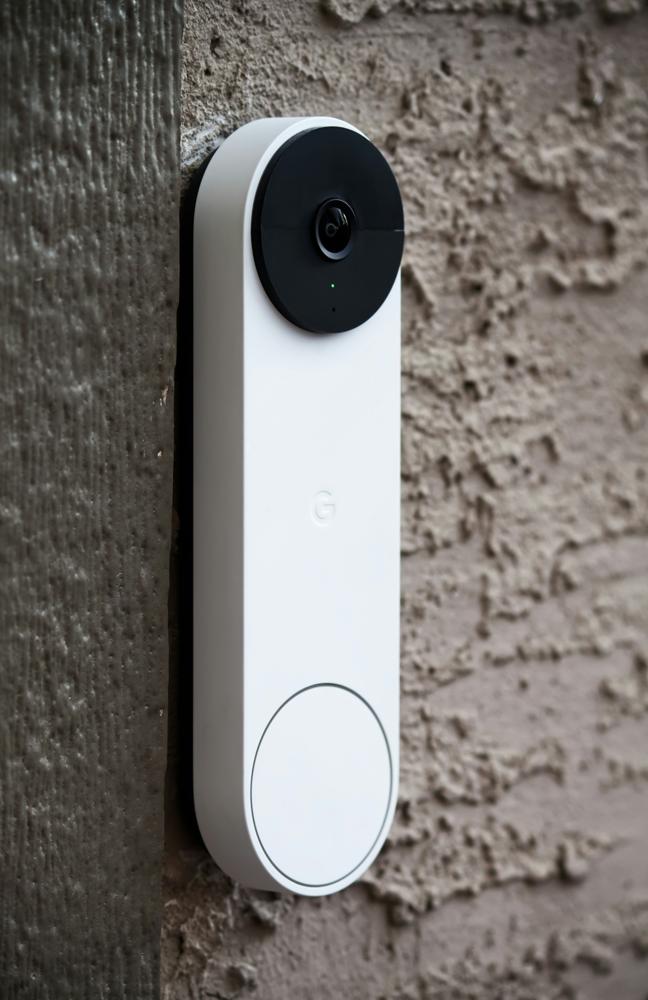 A smart video doorbell (like this Google Nest model) installed at a rental home’s front entry can enhance security. Florida landlords may use such devices only for exterior monitoring, and must avoid infringing on tenant privacy rights.
Where Can Florida Landlords Put Cameras? (Common Areas vs. Private Areas)
The legality of security cameras on a rental property in Florida largely depends on placement. Here’s a breakdown of where cameras are allowed, and where they are off-limits:
✅ Permissible Camera Areas: Public-facing and common areas are generally OK. This includes front doors, porches, driveways, front yards, parking areas, building entryways, and hallways – basically places visible from a public space or shared with others[11][9]. In these spots, people have a low expectation of privacy. For example, a doorbell camera viewing the front steps or a CCTV pointed at the driveway is usually acceptable in Florida. In multi-unit properties, common facilities like lobbies, laundry rooms, parking lots, and elevators can be monitored by the landlord[9]. Outdoor areas that are open to the street (even an unfenced yard) are closer to “public” – one attorney noted that a front door or unfenced backyard is not considered a private area under privacy laws[14]. Still, it’s wise to be cautious even with backyards (more on that below).
🚫 Prohibited Camera Areas: Inside the rental unit is completely off-limits. The golden rule is no cameras inside a tenant’s home, ever[4]. Bedrooms, bathrooms, living rooms, kitchens – none of these should have surveillance. It doesn’t matter if your intentions are good (e.g. checking for leaks or pets); it’s illegal and a huge invasion of privacy. Private outdoor spaces are also off-limits. For single-family homes, a fenced backyard, enclosed patio, or any area exclusively for tenant’s use should not be under landlord video surveillance[12]. Even without a fence, use discretion – if the tenant treats the backyard as private (and it’s not plainly visible to neighbors), the safer approach is to avoid monitoring it. Definitely no cameras facing windows or aiming at areas where tenants might sunbathe or have personal gatherings. And needless to say, no cameras in bathrooms or other highly private spaces on the property (which would be blatantly illegal).
Gray Areas: If an area is outdoors but not clearly visible to the public, tread carefully. For instance, a side yard or balcony might be semi-private. When in doubt, err on the side of privacy or get tenant consent before installing a camera there. Always ensure cameras only capture what they’re intended to. Don’t inadvertently tilt a camera such that it peers through windows or into a neighbor’s property – that could cause privacy complaints.
To summarize: Keep cameras in the open, public-facing parts of the property. Never record the inside of a home or any place a tenant expects privacy. By respecting this boundary, you can still enjoy the security benefits of cameras without crossing the legal line.
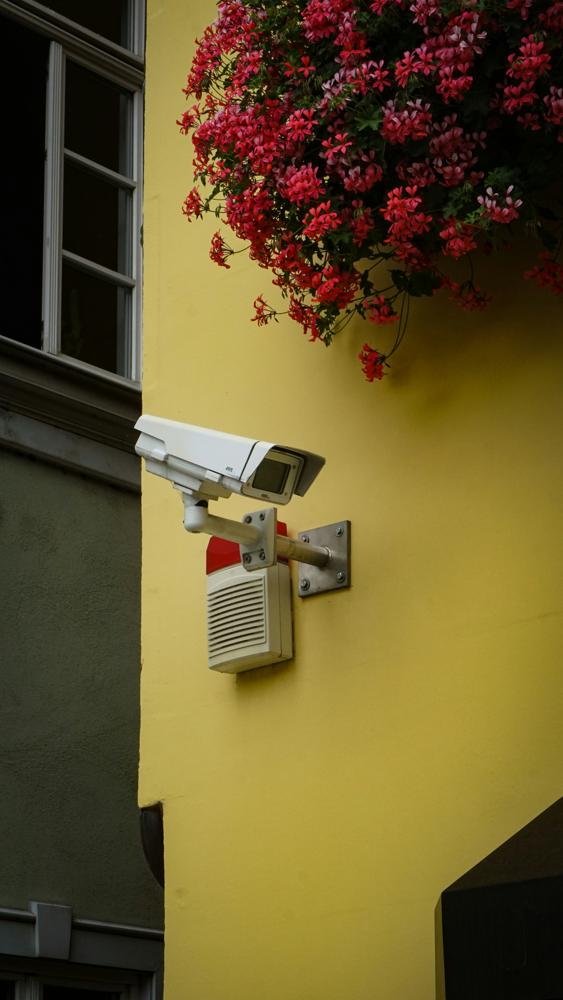 An outdoor security camera mounted on a house exterior. Florida landlords may place cameras on the exterior of a rental (e.g. covering entryways or driveways), but must not point them toward private areas like inside windows or fenced yards. Always avoid “hidden” cameras and post signage to ensure tenants and visitors are aware of surveillance.
Smart Doorbells in Florida Rentals – Who Controls the Footage?
Video doorbells have become incredibly popular for homeowners – and they’re showing up at rentals, too. These devices combine a doorbell, camera, and microphone, letting you see who’s at the door via an app. But when a smart doorbell is installed at a rental property, it raises important questions: Who has access to the video feed? Who owns the footage? And what happens when the tenant moves out?
If the landlord installs the smart doorbell: Many landlords choose to provide a Ring or Nest doorbell as part of the home’s security features. If you do this, make sure to disclose it in the lease. Typically, the landlord is the owner of the device and the account if it’s part of the property. However, tenants have privacy rights in the rental, even at the front door, so you shouldn’t use the doorbell to snoop on your tenants’ comings and goings beyond legitimate security purposes. It’s a good practice to offer the tenant access to the doorbell’s video feed (e.g. through the app’s shared user feature) so they can use it as intended. That said, you are not legally obligated to give the tenant control of the account – a tenant does not automatically have rights to your Ring/Nest account if you own it[14]. Some landlords choose to maintain the account themselves for security monitoring. If you do so, transparency is key: let the tenant know that the device is active and recording.
One tricky aspect is audio recording on doorbells. As mentioned earlier, recording the tenant’s conversations at the door could violate Florida’s two-party consent law if done without consent. If you, the landlord, keep exclusive access to the doorbell, it’s wise to disable the audio recording or get the tenant’s written consent to it[15]. In other words, either turn off audio or include a clause in the lease explicitly permitting audio recording by the doorbell. Some experts note that if the tenant is given access or control of the device, their knowledge can imply consent to being recorded[15]. But to be safe, get it in writing or stick to video-only.
If the tenant installs their own doorbell or camera: Florida law does allow tenants to install their own security devices outward-facing, as long as they don’t damage the property or violate others’ privacy[16][17]. Many leases require the landlord’s approval before a tenant can attach anything to the home’s exterior. If a tenant wants to put up a Ring doorbell, you can allow it with reasonable conditions – for example: no drilling without permission, must remove or restore any changes at move-out, and the device shouldn’t invade neighbors’ privacy[18][19]. In this scenario, the tenant would own the device and the footage, and the landlord has no automatic right to access it. (You could request the tenant share footage if an incident occurs, but you can’t demand live access.)
When a tenant moves out: Plan ahead for what happens with any smart security devices. If it’s landlord-owned equipment, you should reset the account login or change passwords once the tenant leaves, just as you would rekey locks. You don’t want a former tenant accessing cameras after they’re gone. If the tenant had shared access during the lease, remove their access. If the tenant installed their own device, the lease can require them to either leave it (if you wish to keep it) or remove it and patch any holes. Often, tenants will take their Ring camera with them when they move. Be sure to address the removal and repair of any mounts or wiring in your move-out instructions.
Privacy and ownership tips: It’s smart to include a “Security Devices” clause in the lease clarifying these points. For example, state who owns any installed cameras/doorbells, who may access the footage, and that any landlord-provided devices are not to be disabled or removed by the tenant without permission. Also state that any tenant-installed surveillance must comply with the lease and law (no damaging the property or others’ privacy)[20]. Clarity in writing can prevent disputes over things like, “Can my landlord watch the doorbell footage anytime?” If the agreement says the device is for security purposes only and not to monitor the tenant’s daily life, it helps set boundaries.
Disclosing Cameras and Obtaining Consent
Florida landlords must disclose any surveillance devices to renters – both legally and as a best practice. A tenant should never be surprised to discover a camera on the property. Here’s what you should do to stay transparent and compliant:
Include Surveillance Disclosure in the Lease: If there are cameras or smart doorbells on the property, the lease or an addendum should clearly list their locations and purpose[21]. For example: “For security, an exterior video doorbell is installed at the front entrance, and a security camera overlooks the driveway. These devices record video (without audio) and are not aimed at any private areas.” By signing the lease, the tenant acknowledges these devices. This covers you by showing they were informed from day one.
Post Signs on the Property: In common areas or outside the home, put up a simple sign like “Premises Monitored by Video Surveillance.” Florida law doesn’t explicitly require signage for private property, but posting a notice is strongly recommended[22]. In fact, under the digital voyeurism statute, a conspicuous notice about a security system can help exempt you from any accusation of “secret” recording[13]. Signs also serve as a crime deterrent and remind tenants and visitors that cameras are in use (which can encourage everyone to be on good behavior).
Get Written Consent if Needed: While not explicitly mandated for video in non-private areas, it’s wise to have tenants sign consent for any audio recording or any borderline situations. If you ever wanted to, say, place a camera in an unusual location (perhaps a garage that the tenant also uses), getting their consent in writing would be essential. Remember, for audio, always get consent or avoid audio recording altogether[23]. Some landlords include a clause where the tenant consents to exterior surveillance for security purposes. This can further protect you, as it shows the tenant agreed to the arrangement.
Communicate Openly: Beyond paperwork, talk to your tenants about what security measures are in place. Explain that the cameras are there for their safety and the property’s security, not to invade their privacy. Open communication builds trust. Tenants are less likely to feel uncomfortable if they understand why a camera is there and how the footage will (and won’t) be used[24][25]. Encourage them to voice any concerns. It’s better to address privacy worries upfront than to have a disgruntled tenant who feels spied on.
By disclosing and discussing surveillance from the start, you demonstrate respect for your tenant’s privacy. Surprises, in this context, are bad – a tenant who “finds” an undocumented camera may immediately assume the worst. Full transparency keeps your relationship on good terms and helps avoid legal disputes down the road.
Risks of Violating Florida’s Camera and Recording Laws
Installing cameras or recording devices without following the rules isn’t just a bad idea – it can lead to serious legal and financial consequences for a landlord. Here are the key risks you run by violating renters’ privacy in Florida:
Felony Criminal Charges: Illegally recording audio or video can result in criminal prosecution. As noted, recording a private conversation without consent is a third-degree felony in Florida[7]. There have been cases of landlords arrested and charged for hiding cameras to spy on tenants. For example, in January 2025 a Palm Beach County landlord was arrested for video voyeurism after a tenant discovered a hidden camera (disguised as a Wi-Fi router) in her bedroom[26][27]. Law enforcement will not hesitate to press charges if a landlord is caught covertly recording tenants. Conviction could mean fines and even prison time, not to mention a permanent criminal record.
Civil Lawsuits: Tenants can sue for invasion of privacy, breach of the lease, emotional distress, and other claims if you violate their privacy rights[7]. These lawsuits can seek significant monetary damages. Even if the tenant doesn’t win in court, you could spend thousands on legal fees fighting the claim. For instance, imagine you left a security camera running inside the unit by mistake – if the tenant finds it, they could file a civil suit for breach of privacy, and you’d likely be considered in the wrong (as one hypothetical example in a guide illustrates[28]). The prospect of paying a settlement or judgment should deter any temptation to overstep with surveillance.
Regulatory and Fair Housing Issues: In some scenarios, overly invasive monitoring could attract attention from regulators. If surveillance is used to harass or discriminate (even unintentionally), a landlord might face Fair Housing complaints or other regulatory penalties[29]. For example, if a tenant believes you are only monitoring them (perhaps due to their race, gender, etc.), they could allege discrimination. While that might be a stretch, it’s another angle of liability. Overall, keeping things above-board protects you from such claims.
Loss of Trust and Reputation: Beyond legal penalties, violating privacy destroys the landlord-tenant relationship. A tenant who feels spied on will never trust you again. They may refuse to renew the lease, spread word of the bad experience, or leave negative reviews about your rentals. In the property management business, reputation is important. It’s far better to be known as a respectful, law-abiding landlord than one who plays Big Brother. Plus, if word gets out that you violated privacy laws, you could have trouble with future renters being wary of you.
In short, it’s not worth the risk. The cost of a professional security system or consulting a lawyer about your surveillance plans is trivial compared to the cost of fines, lawsuits, or lost rental income if you breach privacy laws. Always err on the side of caution and tenant privacy.
Best Practices to Balance Security and Tenant Privacy
So how can you, as a Florida landlord, keep your property secure without infringing on tenants’ privacy? Here are some best practices to follow:
1. Aim Cameras Outward and Limit Their Scope: Stick to exterior, public-facing vantage points. Ensure cameras are angled only at necessary areas – e.g. the front entry, driveway, or street – not at windows or private spots[30][31]. Use cameras with limited range or privacy masking features if needed, so you’re not inadvertently surveilling something you shouldn’t.
2. Disable Audio Recording: The simplest way to avoid Florida’s two-party consent issues is to record video only, no audio[32][23]. Most modern security cams and doorbells let you turn off audio capture. Do that by default, unless you have a specific reason and explicit consent to record sound. You can still achieve security goals with silent video footage.
3. Be Upfront and Document Everything: As discussed, always disclose surveillance in writing (lease clauses) and with visible signs[22][21]. Consider having tenants initial a lease section about cameras so they clearly acknowledge it. Keep records of these disclosures. It shows you acted transparently and lawfully.
4. Get Tenant Buy-In: If feasible, obtain written consent from tenants for the security devices. While not strictly required for exterior video, it’s an extra layer of protection. Also, involving tenants – for example, giving them access to the doorbell feed or explaining how to use the alarm system – turns security into a shared benefit rather than a unilateral imposition. It makes tenants feel safer rather than watched.
5. Don’t Over-Monitor: Use the footage only for legitimate purposes (security, crime prevention) – not to keep tabs on your tenant’s day-to-day life[33]. For instance, checking a camera when an alarm triggers or if there’s a noise complaint is reasonable. But regularly tuning in out of curiosity (“What are they doing now?”) is an abuse of technology and could cross into harassment if discovered. Respect boundaries: your cameras are not a license to play detective on your tenants.
6. Protect and Limit Access to Footage: Treat any recorded video as sensitive. Securely store footage and limit who can view it[34]. If you use a cloud service, ensure it’s reputable and locked down. If footage is downloaded, keep it on a secure drive. Never share or publish recordings of tenants unless absolutely necessary (e.g. giving evidence to police for an investigation). Leaking or misusing footage of tenants could lead to legal claims. Also, have a policy for how long you keep surveillance recordings – Florida doesn’t specify a time, but retaining video only as long as needed for security (say 30 days) is a good practice.
7. Regularly Review Laws and Policies: Privacy and surveillance laws can evolve. Stay updated on Florida statutes and any local Orlando ordinances (though Florida has state preemption on many such laws, cities could have their own rules for surveillance in residential areas – currently Orlando follows state law, but keep an ear out). Also, review your lease and camera setup periodically. If you hire a property management company, ensure they are doing the same and keeping your property in compliance.
By implementing these best practices, you can enjoy the benefits of modern security tech while maintaining tenant trust and privacy. It truly is about balance: you have every right to protect your investment, but it must be done in a way that respects the tenant’s rights and Florida’s laws.
Conclusion: Protect Your Investment and Respect Tenant Privacy
Modern security devices like cameras and smart doorbells can be a landlord’s best friend – deterring crime, providing evidence if something goes wrong, and giving peace of mind. In Florida, you can enhance your rental property’s security with these tools as long as you follow the rules. Always remember: no cameras in private spaces, no audio recording without consent, and full disclosure to your tenants. When used correctly, surveillance can protect both you and your tenants without violating their privacy[35]. Done wrong, it can land you in costly legal trouble[36].
If you’re feeling unsure about where the line is, you’re not alone. Navigating Florida’s landlord privacy laws can be complex, especially as technology evolves. That’s where we come in. Ackley Florida Property Management is here to help Orlando area landlords stay safe, compliant, and protected. Our team stays on top of Florida law changes and will ensure your lease agreements and property policies cover important issues like surveillance and privacy. We help you strike the right balance between securing your property and respecting tenant rights – so you can avoid legal pitfalls and focus on the returns on your investment.
Protect your rental property the smart way. 🏠🔒 Call Ackley Florida Property Management today for expert guidance on crafting legally sound leases, implementing proper security measures, and providing peace of mind for you and your tenants. Let us handle the legal complexities while you reap the rewards of a well-managed, compliant rental property. Your investment deserves nothing less!
[1] [2] [3] [6] [11] [12] [30] [32] [33] Florida Rentals: Can I Keep Exterior Cameras on My Rental Property? — CrossView Property Management
[4] [5] [7] [8] [9] [10] [16] [17] [18] [19] [20] [21] [22] [23] [28] [29] [31] [34] [35] [36] Where Can Landlords Put Security Cameras in Florida?
https://landlordhotline.net/florida-landlord-security-camera-privacy-laws/
[13] Statutes & Constitution :View Statutes : Online Sunshine
[14] [15] Does my tenant have rights to the Ring doorbell account?
[24] [25] A Guide to Florida Security Camera Rental Property Laws
https://www.amgrents.com/kissimmee-property-management-blog/security-cameras-for-rental-properties
[26] [27] Hidden camera found in woman's bedroom; landlord arrested